PHO701 Week 3 Rethinking Photographers
This week the introduction guided us to look at who is a photographer and how we are perceived by others. Aspects of hardware and the ever-advancing technology with its effects on the photographic sector.
Let us look at how are photographers seen? How are they portrayed? And how do I see myself as a photographer? The first may be helped by looking at aspects portrayed in films, although maybe exacerbated by the director or writer. There are many films covering the traits that photographers are perceived to have.
In the film “Nightcrawler” where Jake Gyllenhaal plays protagonist Lou Bloom, a sociopath who has great success as a news videographer I feel raises questionable actions which when presented could lead to a negative view of photographers. His character chases news stories to get the gore, this actively attracts disgust from the individuals at the scene but is lapped up by the news consumer who is desperate to see. Is this activity bad? Personally, I do not think that it is. Where would Don McCullin or Robert Capa be if it were? Or is wartime news coverage different? No, it’s still the news, the image giving rise to a much greater story than if it was just words.
Blooms’ interaction throughout the film with the manipulation to create better images. Starting small and growing during the film before the climax, getting his assistant killed for the sake of the storey. As a result, I have to agree with Henri Cartier-Bresson “What is photojournalism? Occasionally, a very unique photo, in which form is precise and rich enough and content has enough resonance, is sufficient in itself – but that’s rarely the case. The elements of a subject that speak to us are often scattered and can’t be captured in one photo; we don’t have the right to force them together, and to stage them would be cheating… which brings us to the need for photojournalism”. 2
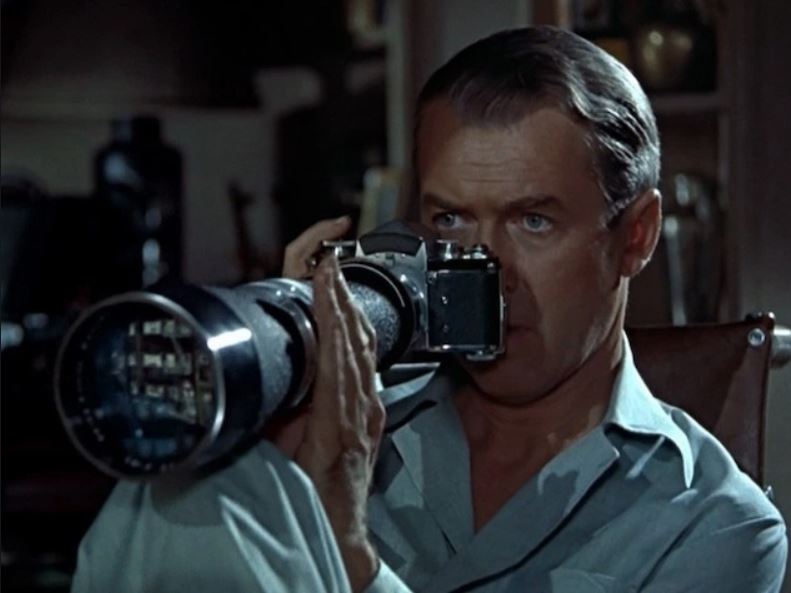
In the Hitchcock movie “rear window” James Stewart’s character modelled on the real-world photographer Robert Capa, touches on the ethics of photography and the voyeuristic nature that it can have. It could be argued that it is this very aspect that gives some the creepy or seedy view that some see photographers. He decides rightly or wrongly that it’s ok as others could be doing it to him as he undertakes his life. Which makes me think of the phrase “don’t get caught with your pants down” someone will photograph it. Throughout the film there are strong references to the glamours that one expects of the travel photographer and the excitement of news assignments, building on the possible amazing career that this could be.
Maybe the glamour that is perceived with the fashion or travel photographer that is so abundant on Instagram is where the aspirations of many arise from. Are we seeing travel photographers or fashion photographers? I don’t believe we are. It’s simply content from around the world posted by many users sensationalising the wonders of the world.
This user-generated content means everyone is a photographer. With the decline in the sales of cameras, one could think that was somewhat a strange statement. It is with the advent of mobile phones, that we all now carry a camera in our pockets and take pictures of everything and anything.
The camera sales over the years have always led the development of more new features on the camera, higher picture quality and this brings back the need to market to the masses. I feel that this position has helped the industry, but holds people back in developing their skills as they have the excuse “it’s not the latest model” mentality.
For myself, if it works and takes a picture then any failing will be down to my failure, not the cameras. This position has allowed me to move away from being a consumer to that of a user. We are currently at the start of the next technology revolution with the move to mirrorless. How many people have sold up and moved over? A lot. These consumers have succumbed to the power of the advertising, their pictures must be better this week although I am sure that the top end DSLR they had last weeks pictures looked just the same. I would always embrace a technology change and advance if it solves a problem I am having.
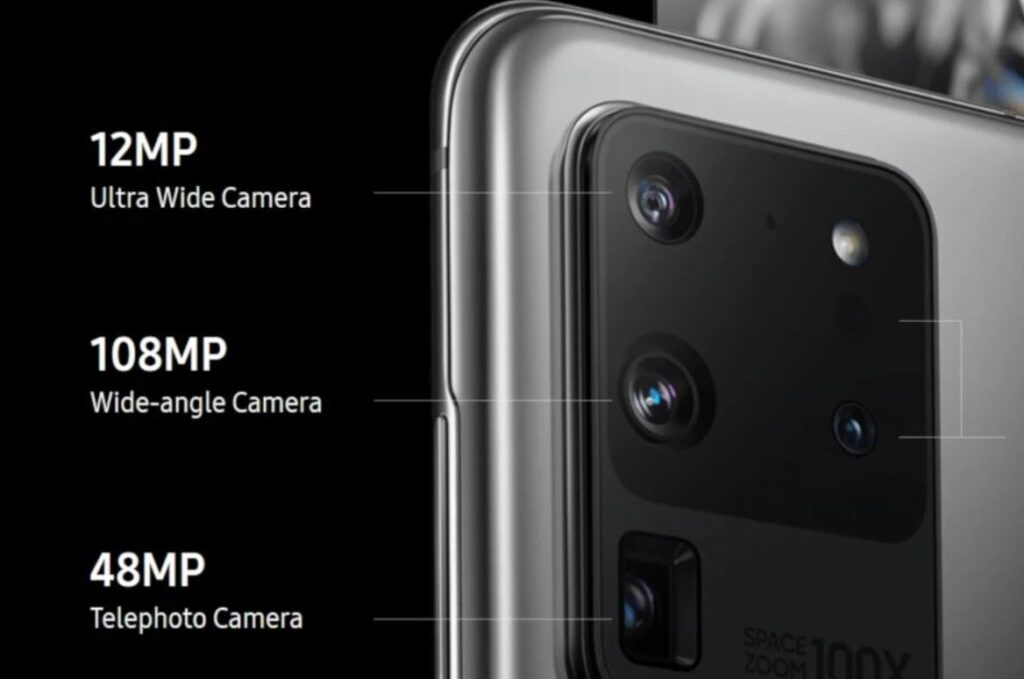
The marketing and presentation of cameras can lead to a problem with the perception of a professional photographer. How do consumers compare products? The simple use of numbers is the answer. Technology is often presented in advertising with numbers that are meaningless. I only have 24MP in my DSLR and because of this simple number comparison, it makes people believe their phone is better than a professional photographer. To overcome this blinkered perception it’s my skill as the photographer that will beat their megapixels. Always avoid what’s in your bag conversations.
Now everyone has a camera with them, it has given rise to an explosion of readily available content for the news channels. The media absorbs this content as fast as it is produced. Looking back to Nightcrawler, are we all now the unwelcome and detested news photographer? No, these people are consuming events first-hand through the luck of being there often removing themselves from the event by watching it on the phone. This leads to images of poor quality that is becoming more and more accepted in the race for content. The professional will never be able to be at the scene as it starts to happen unless they become “Nightcrawler” and help the story.
I have no way of judging how others would perceive me in the role of photographer. Rather I feel that perceptions of me will vary on previous encounters with other photographers or preconceived ideas should I label my photography. I just feel that best practice always will put me in good stead.
References
Fig 1: Originally released by Paramount Pictures 1954
Fig2: Found online and viewed 10/10/2020 https://www.phonearena.com/news/first-television-commercial-for-the-galaxy-s-20-ultra-5g_id122183
2: Henri Cartier-Bresson “American Photo”, September/October 1997, page: 76

1 Comment
Week Five: Power and Responsibility - MA Photographic Journey · November 8, 2020 at 1:06 am
[…] touched upon within the chapter. Utilising the Hitchcock film the rear window, already mentioned in Week Three: Rethinking Photographers, the authors can introduce a new aspect of the meaning of the presentation of the film. The […]