Week Two PHO701
I find myself in a strange position this week. Friday arrived, a new week starting yet now I have realised that I have not finalised week two although I have already done many hours on week three so have to clear the mind to look back to what was only a few days ago, so different in many respects to last week.
Varying media & Interdisciplinary Practices is a great opener to look at how photography is used and disseminated between different practices while still looking at similarities of how photography is used in other practices.
Photography and its now distant cousin film have coexisted for many years now and each can use aspects from the other to convey the message. The long still motionless gaze in a film portraying the mesmerising heat between two individuals or the look of stunned emotion after an event bringing the photography to film. Or the aspect of trying to bring a motion to a static image, trying to impart time and motion and not be a fragment of history.
I know that I am not here doing videography, so no direct study of cinema, however by understanding the disciplines that have come before us both in cinema and photography we may incorporate these into our own practice. In modern times we do not have to be studying videography or cinema to not be exposed to it every day.
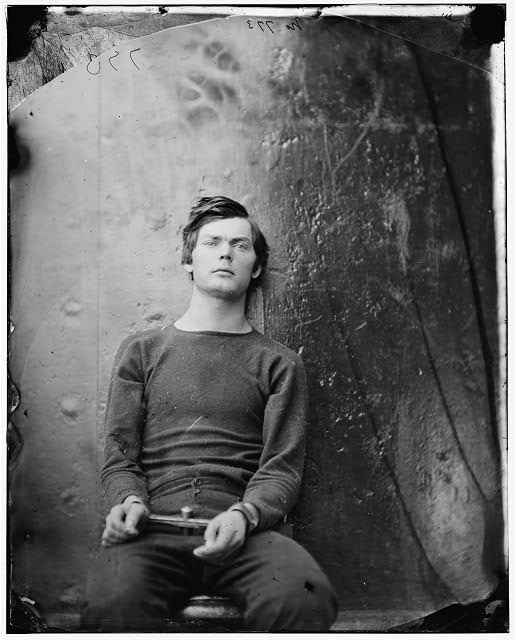
Creator(s): Gardner, Alexander, 1821-1882, photographer
Date Created/Published: [1865 April] https://www.loc.gov/pictures/item/2018667106/
Roland Bathes in Camera Lucida goes into the explanation of what “makes” a photograph with a definition of two parts. The “Punctum” and the “Studium”. Each and every picture can be viewed in this way and it is a personal view when it comes to the punctum as this is the subjective view the individual may have or take away. By contrast, the Studium is based on the description of what the image is. The image he uses in his discussion is the one above of Lewis Payne taken by Alexander Gardner in 1865. Bathes describes the punctum as his realisation that Lewis Payne is going to die.
The same image has been discussed by others and on such example is about the realism the photograph has, “We also have a photograph that contains just the right mix of elements to make it look real, to make it feel almost contemporary.” explains Joerg Colberg . This realism ties into the more modern position that we no longer trust images due to how many are “faked”

Alphonse Bertillon never classed as a photographer used photography to develop a pre-fingerprint system. Utilising the medium as a tool taking images. Bringing into our experience the questionable sciences contained within Eugenics. With these practises it’s the viewing of the image that has the meaning or delivers the proof of suspect theories. If the image is repurposed and viewed again its position and discipline could change. This makes me think about the practice of image-making and how further enable them to be used. We are always taking pictures of objects/things/events or places to name but a few and how these actions can fall into other disciplines within photography.
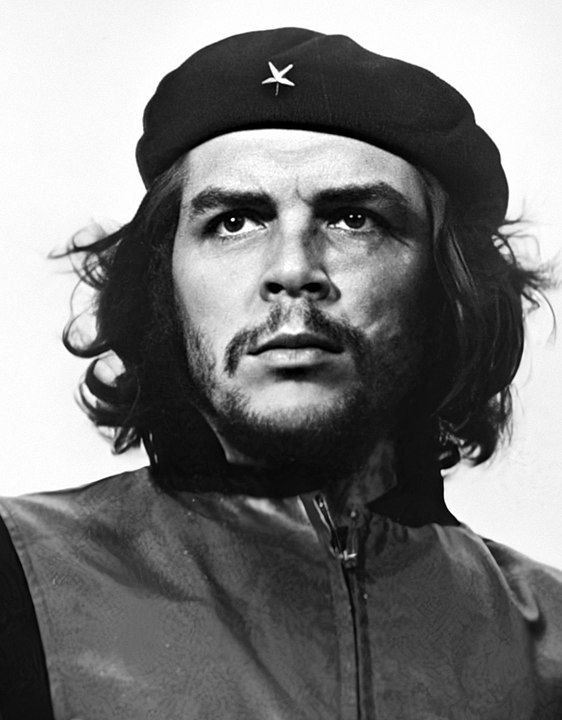
An example showing images being repurposed. This image from March 1960, a news image of the day and through time has been viewed in other ways and now resides on t-shirts, album covers and posters. I feel that with each production it is being seen differently and many consumers in the current day may not even know who or what he stood for.
This week lead me to look further within my own practice. The production of four landscape images that are removed from the referent but stand as images in their own right. I feel that with the study of the interdisciplinary nature of photography can give a disconnect from your own practice to allow exploration to change and produce further work which you would not produce if you stay narrowly focused.
References
Roland Bathes, Camera Lucida,


0 Comments