Simple answer, a magazine that litters all the best waiting rooms. Joking aside the magazine has been circulating since 1888. The magazine evolved from the Journal of the National Geographic Society, and its success has allowed its circulation to grow and become a dominant force in the media market place. I personally have not availed myself of the articles over the years and may have only picked up the odd copy to skim through while waiting somewhere.
It is for this reason that I have never had reason to form an opinion of what the magazine represented or what is portrayed, however, I feel that this has been a useful exercise, to consider something that has been accepted and existed in plain sight for so long.
Following the transition to more photographic images, the magazine has become best known for its photographs of the world. This has lead to a power position where National Geographic has the dominance to dictate how we see the world. The consumption in the waiting rooms, people possibly read article headings and then consume the images. This can corrupt the viewer to assume that the singular image is all the foreign culture has to offer. Some consume the images just to admire great images and aspire to take such images.
From this week’s independent study it is clear that there is a lot more under the surface that needs careful consideration.
Andy Grundberg penned an article back in 1988 to scratch the surface, but before deciding to accept the text we would have to examine what direction the magazine has taken over the years since, as 30 plus year is a long time for changes to happen.
Grundberg leading with the title that implies the magazine is reflecting the American view but goes onto damn it as being the machine that creates the view. Citing Luis Marden’s image of an Ox cart that is curated in a manner and the colourful iconography that reduces Costa Rican culture to just this.
If you look at National Geographic and the images through the decades you will identify the images of indigenous people portrayed in a way that could be viewed as “savages” because their ways and customs were not conformist to the western view. This style of the image was typical of the day with photographers capturing images on none western individuals. The images themselves do not represent racism or depict them as savages it is the context of use is where the issue starts.
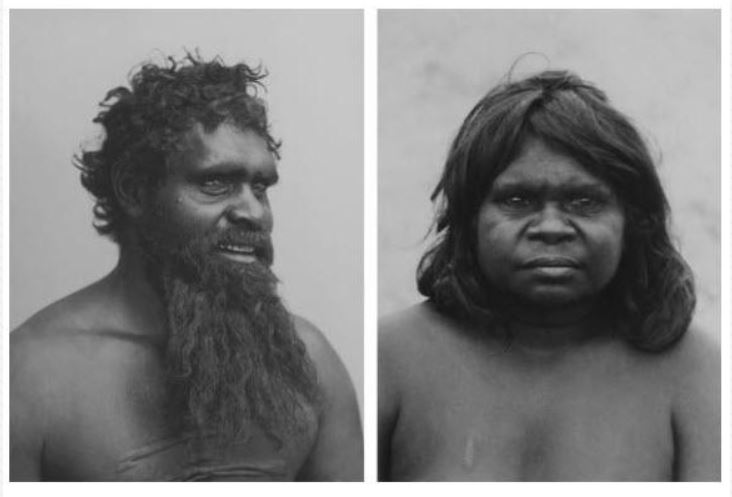
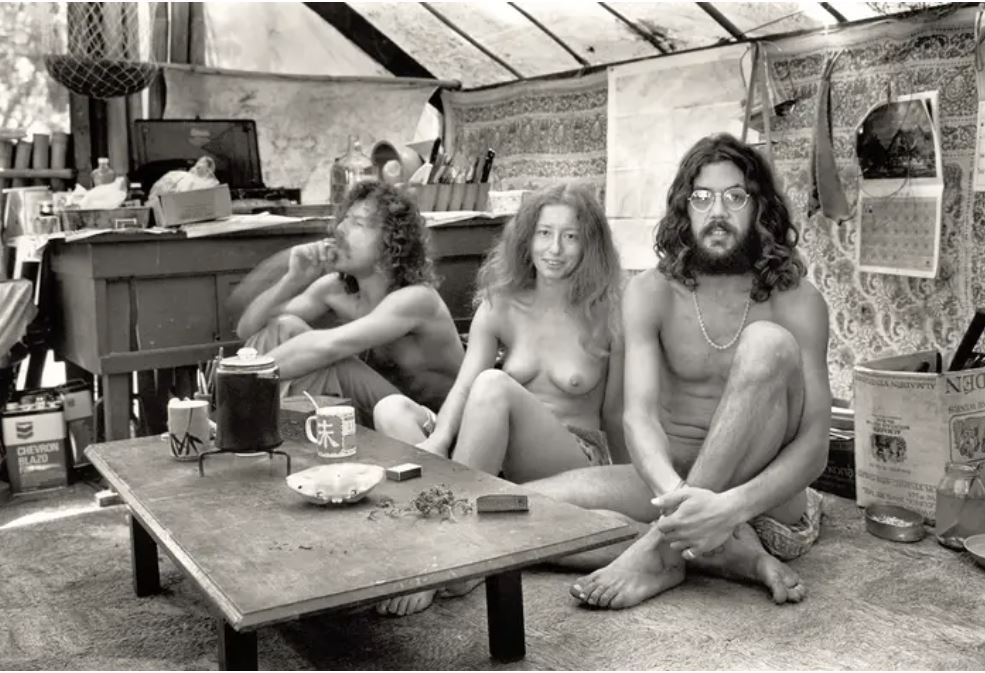
This image featured in the 1916 edition of National Geographic was used to highlight the racist view that they had portrayed. This image is in line with contemporary images of the period for example similar work produced by J.W. Lindt in 1874 as referenced by Geoffrey Batchen in Each Wild Idea. The image below depicting the treehouse hippie community does not depict savages, so why should the Aboriginal images produce such a result? Because the western cultures were guided by publications such as National Geographic but we have moved forward and our western view has been shaped.
Although I feel that his article highlights a position that can be seen within the magazine I have found that efforts have been made with future editors to move away from this practice, however, why change a magazine that has profited and survived for so long. Possibly that is what the masses want? The feeling of comfort from what they know or believe. I feel that it is us as practitioners to be aware of any magazine, book publisher or online site when it comes to our images. We need to decide based on what it represents through our own research and not take things at face value. Each practitioner will also have a differing range of ethics and principles which need to be consulted.
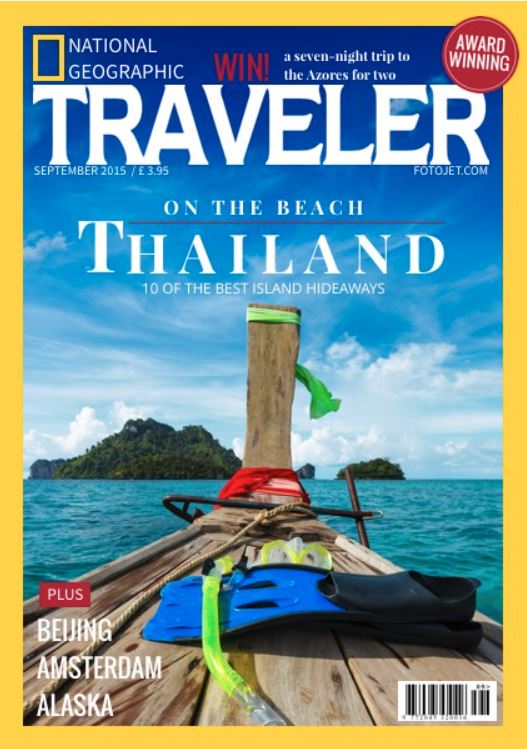
As an example to Grundberg, the image I have used is a typical cover from the National Geographic magazine, a beautiful tropical location. I have not read any story but have decided what they are going to say. Is the magazine hiding what the truth is in Thailand? making it into a fantasy destination of perfection? Well, in this case, it is not. The image not surprisingly is a fake National Geographic cover but one that is indistinguishable from the real highlighting how the magazine uses glorious images to create a new truth about a county.
They have the power and the control and it is what has created a successful media company. The National Geographic Society does do a lot of good work which should not be brought into question from the ethics and practices of the magazine or television channel.
Figures
Fig 1. https://www.fotojet.com/template/magazine/magazine-03/ (accessed 10 March 2021)
Fig 2. https://www.sbs.com.au/nitv/nitv-news/article/2018/03/13/national-geographic-admits-hideously-racist-past
Fig 3. John Wehrheim https://www.buzzfeednews.com/article/mbvd/hawaii-kauai-hippies-treehouses-taylor-camp
References
Andy Grundberg https://www.nytimes.com/1988/09/18/arts/photography-view-a-quintessentially-american-view-of-the-world.html
BATCHEN, Geoffrey. 2001. Each Wild Idea. Cambridge: MIT Press.


0 Comments