The post PHO702 Critical Review of Practice appeared first on MA Photographic Journey.
]]>The culmination of the PHO702 Informing Contexts module. The assignment to produce a 2000 word Critical Review of Practice, better known as CRoP. Follow the link to view the final version as submitted. The work in progress for this module is located at http://roydonwoodford.co.uk
The post PHO702 Critical Review of Practice appeared first on MA Photographic Journey.
]]>The post Week Nine: Peer Video Presentation Feedback & Reflection appeared first on MA Photographic Journey.
]]>Hi Roydon,
I find your project fascinating!
With your intent – maybe you could talk about what led you to change the images once you took them? Maybe you could talk about the colours you use and why you choose them? Also I think it would be interesting to see the image from start to finish – even just a ‘behind the scenes’ type of shot to see how you create the work because its not immediately obvious how the images are created, i.e. the images all seem finished, almost like a painting would be finished.
I know you don’t need anymore artists to look at as you have contextualised your work really well but your work makes me think of Patrick Heron and Mark Rothko’s work.
I also think that the exhibition idea is spot on – having the images nice and big. I don’t know if you have seen Roy Litchtenstien’s work in a gallery before but they are enormous pieces and really makes you understand his work more – as you said seeing this type of work in a book really doesn’t do it justice.
Hope this helps!
B**
Thanks, Ben for taking a look,
I have to agree that Rothko was left out. When I started it was only a couple of photographic artists then the research started revelling so many but I will gladly take more suggestions. I have not stumbled across Patrick Heron, but having viewed his work the cubism/surrealism is clearly visible before he dramatically moved into abstract expressionism.
I do like the point about the changing of the image and that is certainly something I will address.
The Tillmans quote about as soon as it is a photograph the question of how comes in. I am happy to share the method but do not see that it is important, it is the final image.
Thanks for some really good feedback
H**** W*****
Hi Roydon,
That certainly was a trip and I very much enjoyed it. I think the level of experimentation and technical prowess here were very strong though I feel the work sometimes lacked intent. I think it was well informed and contextualised through contemporary practitioners (LO3) with a good use of personal observations and critical opinions of your work and those practitioners (L06). I think for the dissemination of contemporary photographic practices could have used a few more examples of how those practitioners you gave as an example show their work and what platforms/mediums they choose to display the work to their audience (LO4). I thought the presentation was presented well though as with the work and you did acknowledge this that sometimes it went off on various tangents which I think is part of the experiment process which you acknowledged. I think with clearer intent such as the toxicity of plastic pollution on the beach or the reason why you made the photographs it would help navigate your way through the abstraction and have a reason why you abstract the work in the first place. The solar can image was very beautiful btw on another note and I know we’re not supposed to be thinking about (LO1) but I think the work of the abstract seascapes were particularly pleasing to myself.
H****
S**** R******
Thanks for sharing this work Roydon. Having worked with you on the last module and seen a couple of these images over the last couple of weeks it was great to see the wider scope of your work in progress. The vibrant use of colours and abstract nature of them makes them very unique and will I am sure come together as a powerful body of work.
I was a little unsure at the outset what your intent was in terms of this work but having then seen the discarded sauce bottle image and you thoughts and ideas around incorporating them with the more abstract I can see how this will work. I guess you will need to consider bringing this part in a lot sooner in terms of your critical review as it would be good to start with the overall intent at the outset.
There were some great example of photographers that have inspired you, big tick for LO3, and your images stand up well against them, confirming the contextualisation of your practice. LO1 is also very evident in terms of your awareness and expertise in experimenting and creating this wonderful images. LO4 is also evident in terms of the dissemination of your practice and I like the sound of the exhibition, I would suggest adding more details in about how this would look and perhaps incorporate the environmental pictures such as the sauce bottle to show how this would be included.
Whilst you have said in the words above that you have failed with LO5, there was evidence of critical analysing your work in terms of the multiple exposure shots and soap bubble images.
Looking forward to seeing more of this project in the coming weeks.
One fact that leaps out is that I introduce the pollution at the end of the presentation and it will appear that people focus on that aspect. I had thought that the citation of Wolfgang Tillmans would leave the viewer without any doubt is was about the individual picture. Another aspect that leaps out is the quote reflects on the concept that the method is not important, it’s the image.
The post Week Nine: Peer Video Presentation Feedback & Reflection appeared first on MA Photographic Journey.
]]>The post Week Nine: Peer Reviewed Video appeared first on MA Photographic Journey.
]]>Public Video (Do not use as a template for your own, its not been marked)
For the peer reviews visit the PHO702 Peer review feedback post
Part of PHO702 Informed Contexts Falmouth University MA Photography
The post Week Nine: Peer Reviewed Video appeared first on MA Photographic Journey.
]]>The post Week Four Tutor: Viewers Make Meaning appeared first on MA Photographic Journey.
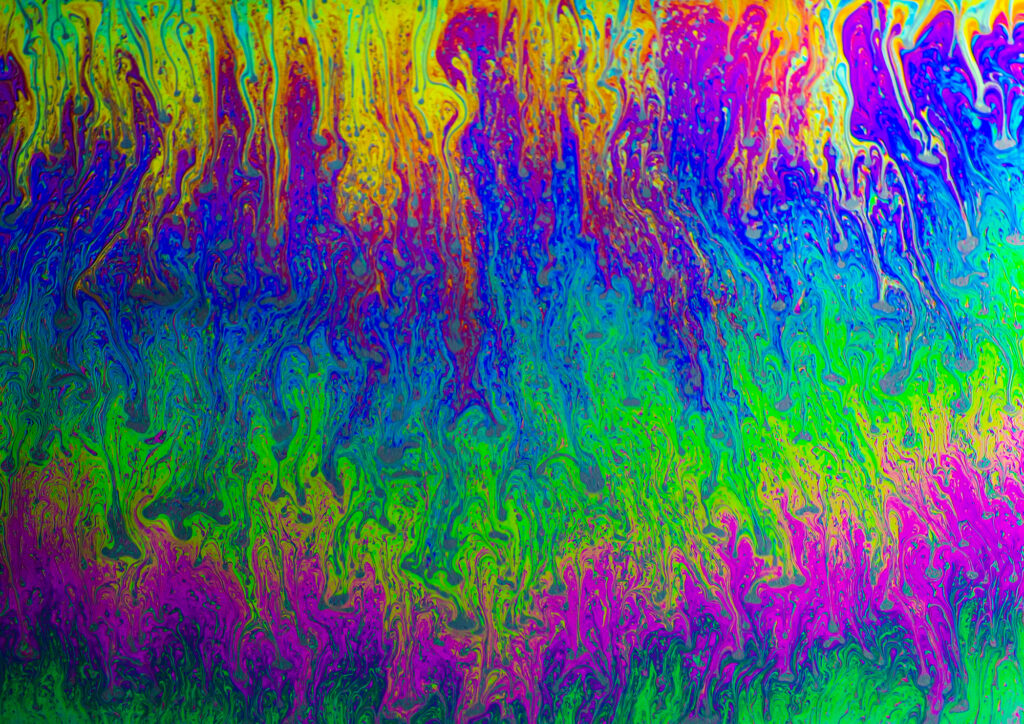
]]>This image is one from a group of the image that I had not released yet as work in progress so fits within the remit. Through “virtual darkroom” experimentation or what is better known as Lightroom and this image is the result. Full details of the work in progress investigation here.
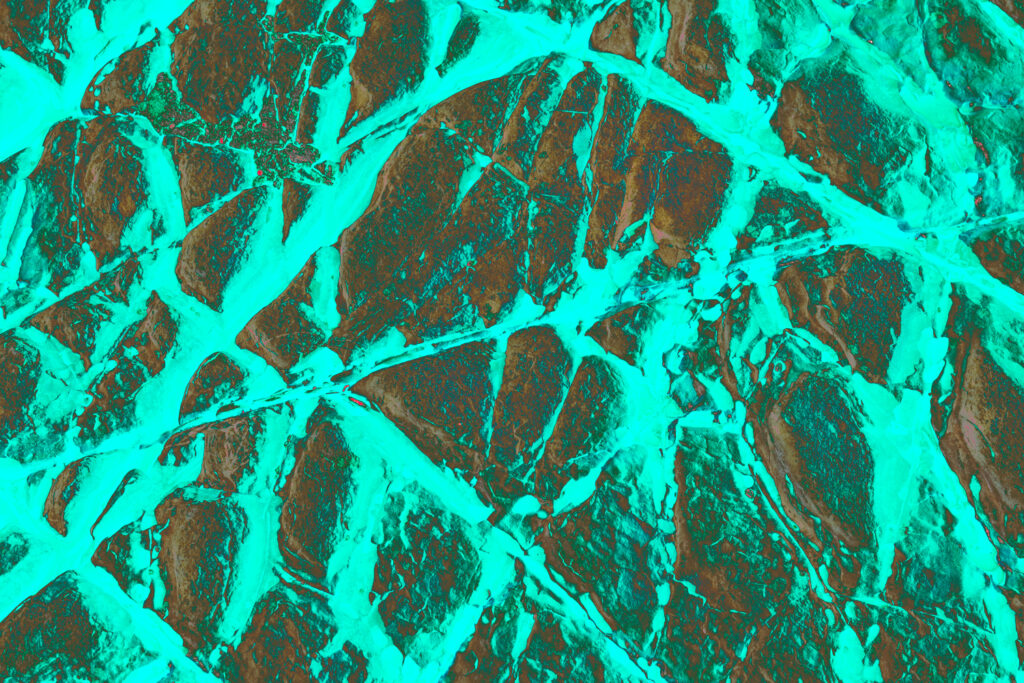
Thinking about how this image will be received is always a concern. This type of practice is always subjective. I would expect that there will be a range of views as to any Semiotics or hidden images. I find this an interesting position as I have not tied this image to an individual meaning, so any meaning or reading presented will be as valid as the next. There can only be oppositional positions between the viewers.
The post Week Four Tutor: Viewers Make Meaning appeared first on MA Photographic Journey.
]]>The post Week Three Tutor: False Indexes appeared first on MA Photographic Journey.
]]>I feel that there are times for construction. One photographer who utilised constructive photography is the artist Ralph Eugene Meatyard. His series of images utilising masks demonstrate his skill to combine fictional faces in a familiar setting that conveys authenticism.
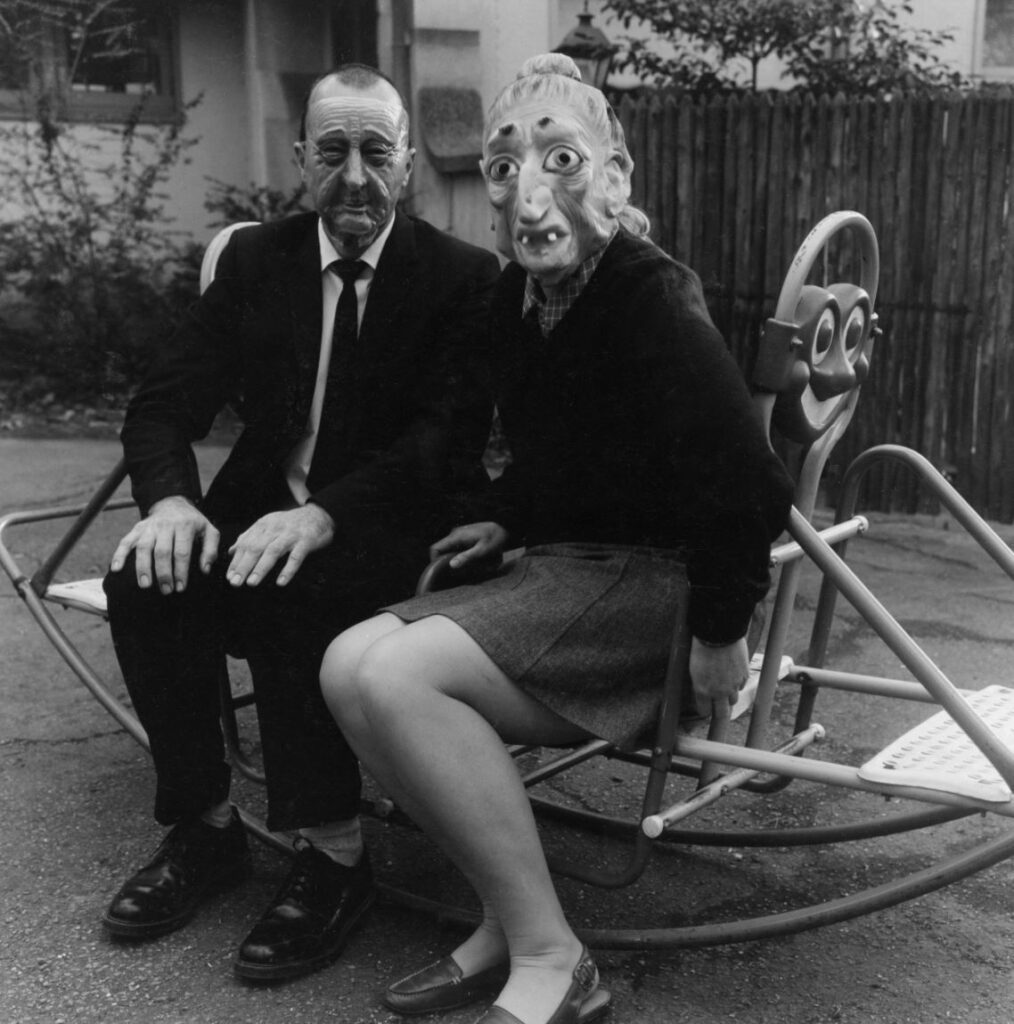
With the example below I have opposed the Meatyard position I have taken the known and placed it in an image of the unknown, an unfamiliar place. The dream space you know but don’t know.
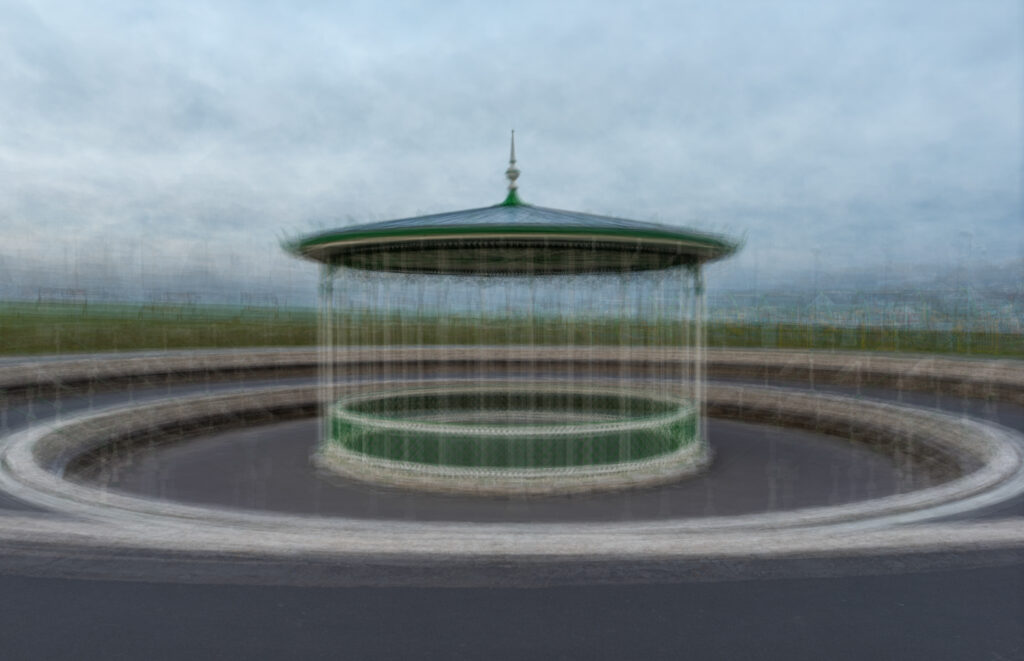
The Swanage bandstand reflects just one aspect of the practice. This is clearly influenced by the works of Pep Ventosa and Stephanie Jung. I feel that this method works especially well when you have full 360 access to the object however exploring the process with less access is something I will endeavour to undertake in the near future.
If I find images not working or do not have the desired effect they end up on the cutting room floor and are swept away at the end of the day to the bit bucket. If an image has potential I will sit with that image till it has a place or again ends in the bin.
To develop the practice I will continue exploring media and methods of production. The beer can cameras have delivered some images with one that I feel works very well not only in the concept of the practice but as an image. Full details of beer can pinhole photography.
References
Stephanie Jung: http://www.stephaniejung-photography.com/
Pep Ventosa: https://www.pepventosa.com/
Figures
1 Ralph Eugene Meatyard https://americansuburbx.com/2010/08/meatyard-james-rhem.html
2 Roydon Woodford
The post Week Three Tutor: False Indexes appeared first on MA Photographic Journey.
]]>The post Week Three Subjective Traces, Spaces, Faces, Places appeared first on MA Photographic Journey.
]]>The image below is a constructed image of a tree, 20 images in photoshop. The tree is real, but now you see it from every angle at the same time. I am not trying to hide the constructed nature of the image.
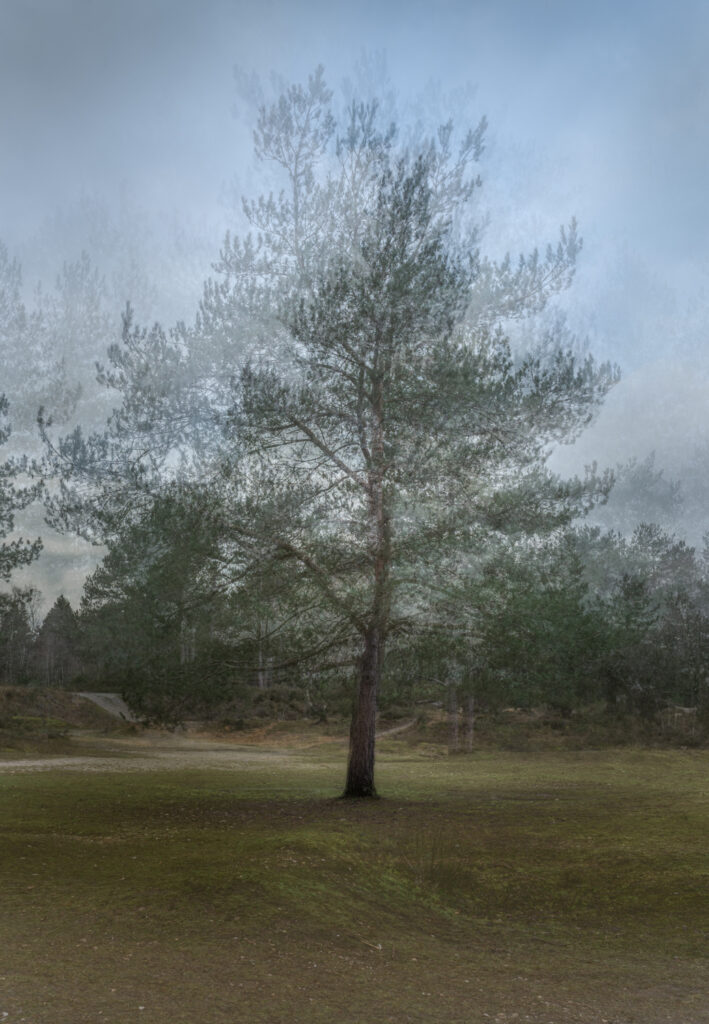
The image below is staged. Again this was a real thing, not a photoshop creation, but none the less I created the conditions for this to exist and it’s gone now.
Are we not staging an image every time we choose how we frame the shot? or use a method of production? Probably not to any level that one needs to worry about.
The post Week Three Subjective Traces, Spaces, Faces, Places appeared first on MA Photographic Journey.
]]>The post Hedonism: Possible context appeared first on MA Photographic Journey.
]]>Within my research, I am exploring many avenues and at present feel that one context for the work is hedonism. I feel that many I have spoken too about this idea instantly go ‘what’s sex got to do with it’?
In fact, the association with sex possibly comes from the well know party resort venues. If you explore the word in more detail it is discussed in many great philosophers writings. Democritus (c460 – c370) is an example of just one philosopher to discuss a hedonistic philosophy; he called the supreme goal of life “contentment” or “cheerfulness,” 1
Wikipedia describes the root of the word as
‘The term hedonism derives from the Greek hēdonismos (ἡδονισμός, ‘delight’; from ἡδονή, hēdonē, ‘pleasure’), which is a cognate from Proto-Indo-European swéh₂dus through Ancient Greek hēdús (ἡδύς, ‘sweet’) + suffix -ismos (-ισμός, ‘ism‘). and is derived from the Greek word’2
From the writings and the origin of the word, we can see that the hedonistic theory is aiming for pleasure. Pleasure can be found in many forms, looking out at a sunset or as Srdjan Jovanovich states,
‘Art, thus, is a form that can be understood and taken in as sometimes purely hedonistic, as the subject derives sheer pleasure from the perception of the piece of art in front of him. Hedonistic abstract art is precisely that type of art where nothing needs to be understood, it only has to be felt. ‘3
I feel that this sort of approach may offer some position for abstract art however I do not feel it is simply the answer but opens an avenue to further explore.
Bibliography
1 DK 68 B 188, cited in: Taylor, C. C. W. 2005. “Democritus.” in Greek and Roman Political Thought, edited by C. Rowe & M. Schofield. Cambridge. p. 125
2 https://en.wikipedia.org/wiki/Hedonism
3 https://rupkatha.com/hedonisminabstractart.php
Reference
The post Hedonism: Possible context appeared first on MA Photographic Journey.
]]>The post Week One: Reflection appeared first on MA Photographic Journey.
]]>Abstract images, where I am currently practice is no exception to the issue of context although it does appear that the context is harder to find for just the use of abstract work. With this, in mind, I am exploring two avenues to utilise the abstract images along with more traditional ‘straight’ photographs exploring mental illness and drug abuse.
At the current stage of the practice, abstract images can fall into several areas for consumption. The first and most obvious is the display of the images just as they are. Leaving the viewer to read what they want into the image. This lends itself to the gallery wall. Display in a commercial setting such as the office or hotel, such as the one over the bed in the Travel Lodge chain, or a domestic setting. For the none gallery installations, it possibly comes down to hedonism and the image. (See post on Hedonism).
Other avenues to consider would be book covers and album covers. A good example would be Stephanie Jung, famous for her multiple exposure cityscapes providing artwork for a book cover.
At present, I have explored surrealism, Dada and abstract expressionism. All these genres were accepted as art. This, however, is not leading in the right direction for the practice. Dada was very destructive constructionism, Creating images from parts of other images and no image was safe. The surrealist movement, born from the Dada artists going in different ways after a major artistic disagreement with physical violence. The abstract expressionism period with the likes of Robert Motherwell, Hans Hoffman, Frans Kline took over and does give the foundations to the abstract imagery that I am producing at present.
I will have to say that I am not sure that the work produced by the artists during this period is as informed as I could have hoped at this stage.
The post Week One: Reflection appeared first on MA Photographic Journey.
]]>