The post Artist: Roger Newton appeared first on MA Photographic Journey.
]]>
Roger Newton pushes back against the traditional photographic systems to explore the ‘looking’ and expand the question of representation. His work, an abstractness that pulls against the composition that leaves the viewer to make sense.
The properties of the components he uses have dramatic affect on the images directly. Non glass lenses made of oil or homemade film emulsion glued onto plywood. This photographer is a good example of the experimentation that abstract photographer can utilise to produce images.
This process would be further research to conduct in the abstract process. I do have reservations for my own practice as the simple chemistry is predominantly black and white which I have not explored in any great detail.
References
https://www.davidzwirner.com/exhibitions/1996/roger-newton/press-release
Figures
Roger Neton: https://www.invaluable.com/auction-lot/roger-newton-1721-c-fe74dcd8c9
The post Artist: Roger Newton appeared first on MA Photographic Journey.
]]>The post Week Five: Reflection appeared first on MA Photographic Journey.
]]>I feel that much has been created with activists fighting for this right or the other, and possibly it has detracted from the practitioner being able to create work without it being derided by some group as it portrays something wrong. There are many that have fallen foul to the gaze of others. Sally Mann is a perfect example. Innocent pictures caught in the view of others.
I feel that the tide has turned for honesty about work. No male can do a piece on feminism no mater the amount of research or a white person can’t explore race. These facts become so clear when the feminists or the people of colour claim the space as their own.
The post Week Five: Reflection appeared first on MA Photographic Journey.
]]>The post Week Eight Seminar: An Agent for Change? appeared first on MA Photographic Journey.
]]>Jordanian Air Force pilot Lieutenant Moath Youssef al-Kasasbeh is reported to have been burnt alive.
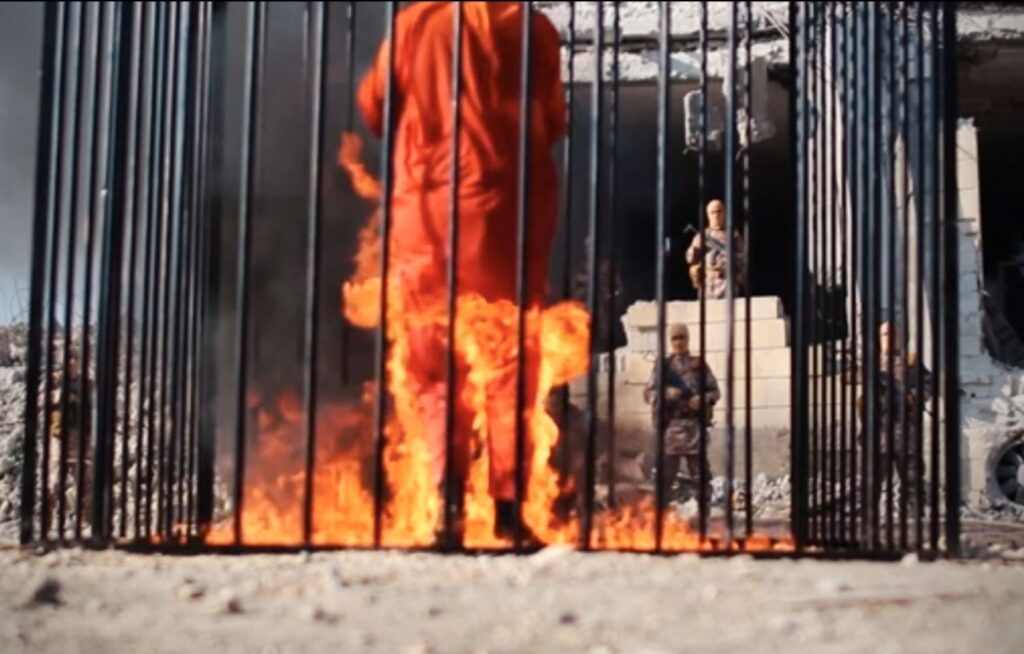
The fact he was killed is not in dispute, however, Thomas Wictor has presented strong evidence that this atrocity is a hoax. It was not unknown for the ISIS media to be faked. I am no expert and it has been a few years since I viewed the video so do not feel in a position to validate his findings. I could be wrong in entertaining the idea of fake news, am I?
Could our current crisis be down to citizen journalism or the free use of the Internet to spread propaganda? and be a case that the video is out in the wild and our media have to post the story to get ahead so experts are not used or possibly, in this case, this is just another conspiracy to make the public feel better for having watched something so horrific?
The desensitising has occurred through social media and the rolling 24hr news. If we look at major events and disasters they drop onto our screens often without images or it’s the aftermath images that only show the trace of the event that is shown over and over until they can find another shocking image. Debord eloquently rephrases the old chip paper saying, ‘When the spectacle stops talking about something for three days, it is as if it did not exist, for it has gone onto talk about something else, and it is that which henceforth exists.’ (Debord, 1988, p20)
I do not feel that there is any solution to the shocking images and the way they infiltrate or screens. If the time for change is now then the populous need to change. When there is a traffic accident on the motorway, why is the other carriageway blocked? Simple everyone wants to look.
I personally don’t have an issue with a shocking content, maybe one too many experiences, as maybe some of the others here don’t either. If I have to show a disturbing image it would be this one. Clearly, this is a trace, the event has happened and this is the aftermath. Should this disturbing image be censored? I think not.
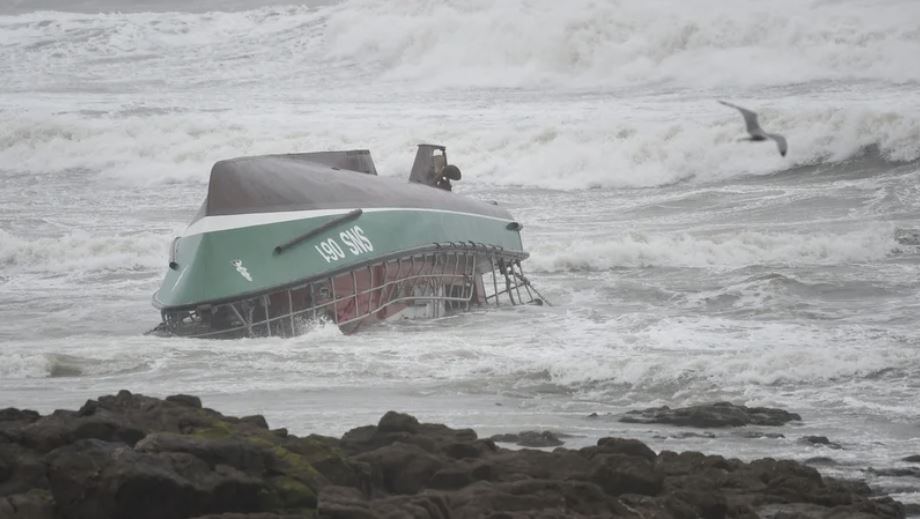
The reason I find this disturbing is that this is the capsize of a French lifeboat, On 7 Jun 2019, the lifeboat Jack Morisseau launched, 22 mins later, 3 crew died and that is too close for comfort. As seen with the Hastings lifeboat https://www.youtube.com/watch?v=UXmtWtexo_c – the same class I volunteer on.
Reference
Deboard, Guy (1994) The Society of the Spectacle, New York:Zone
Thomas Wictor http://www.thomaswictor.com/the-jordanian-pilot-was-not-burned-to-death/
Figures
Fig 1 http://www.thomaswictor.com/the-jordanian-pilot-was-not-burned-to-death/
Fig 2 https://www.rte.ie/news/world/2019/0607/1054121-capsized-vessel-leaves-three-dead-in-french-storm/
Current Work in Progress
The post Week Eight Seminar: An Agent for Change? appeared first on MA Photographic Journey.
]]>The post Week Seven Discussion: Are We Drowning Yet? appeared first on MA Photographic Journey.
]]>By curating images into a finished product sets them aside from just random images. Here, a small booklet produced by Edward Ruscha. He produced this and sold them personally. The images would probably not exist today if they had not been taken out of the flow and presented in this way.
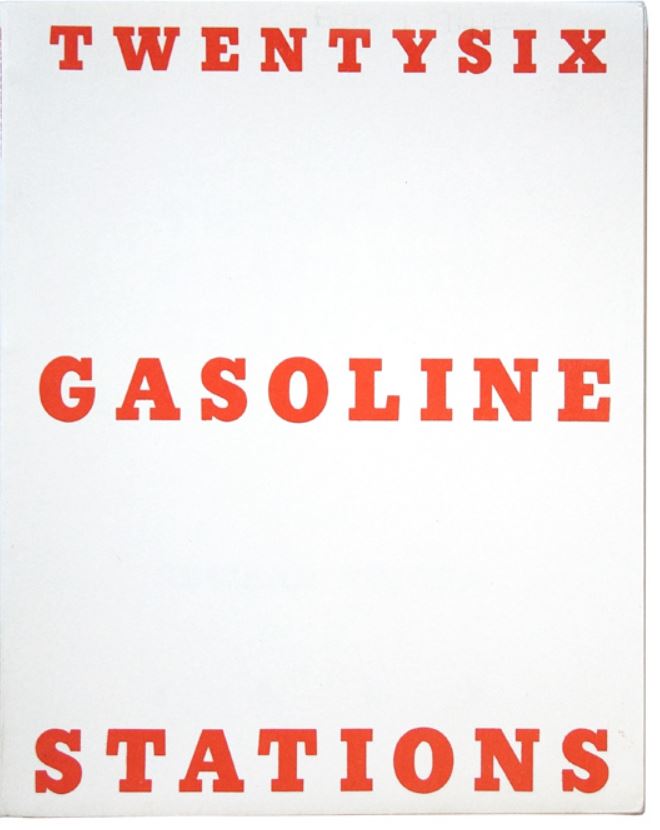
Modern production methods allow for much more professional results which can be sold or displayed online. The book or printed portfolio tend to provide a much greater permanence to a collection of images over a typical gallery exhibition.
Starting out with the gallery route for exhibiting images it is unlikely that it would be a solo exhibition. This factor would need careful consideration as other practitioners work or standing may have a direct influence on the context of one’s own work. For my own practice placing work in with aother abstract work will provide a sensible option. An example would be an exhibition such as the one curated by Lyle Rexer, The Edge of Vision. The works displayed provided a variation of styles and processes so that any viewer that may be left cold by one image could find great delight in another.
Figures
Fig 1. Edward Ruscha https://en.wikipedia.org/wiki/Twentysix_Gasoline_Stations
The post Week Seven Discussion: Are We Drowning Yet? appeared first on MA Photographic Journey.
]]>The post Week Four: Reflection appeared first on MA Photographic Journey.
]]>One comment that did resonate was the display of the image and its requirement to be on the wall and large. This is something that I have often envisaged as being a requirement for the display.
I feel that as a practitioner that any engagement is always greatly appreciated, however in the setting of the forum it is difficult to establish the level of interest. Would individuals choose to look or is it because they are provided the image experience.
In the reverse situation, to experience other images without pre-information provided insight into how my own reading being off and very narrow, looking at the technical to get the meaning. Reminding me of the simplistic game show Catchphrase – “Say What you See!”. This is something I am working on and will expand with a more diverse selection of image viewing.
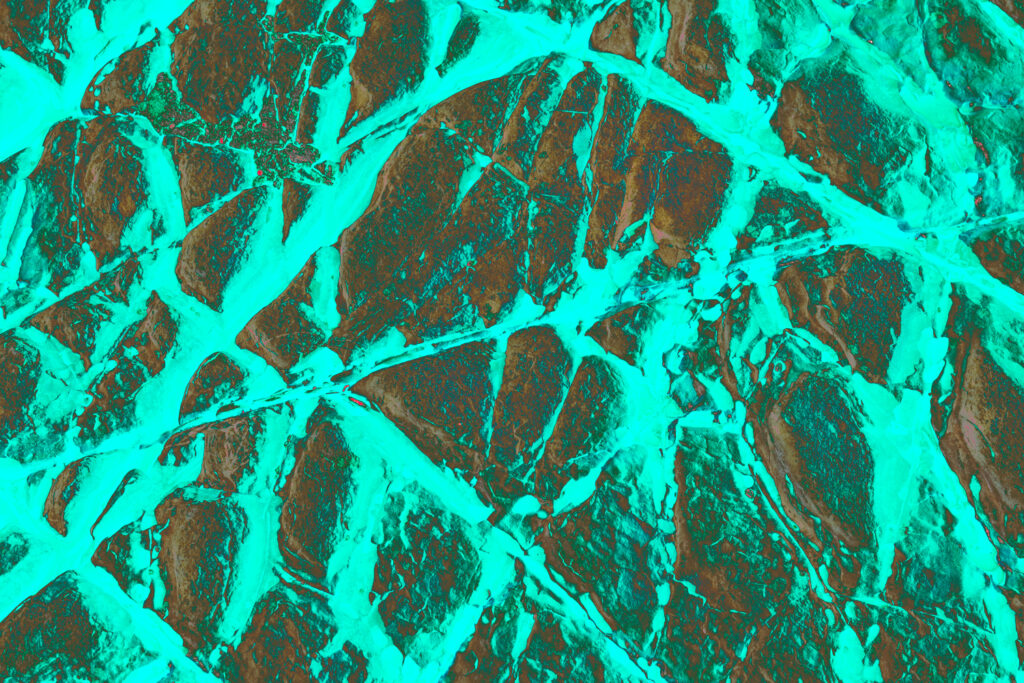
There are several red dots top left quarter. These dots are not artefacts so as part of the structure I left them in the image. These were picked up in the viewings and I perceived them to enhance the image.
Technical explanation is reviewed here
The post Week Four: Reflection appeared first on MA Photographic Journey.
]]>The post Week Seven: What is the National Geographic appeared first on MA Photographic Journey.
]]>It is for this reason that I have never had reason to form an opinion of what the magazine represented or what is portrayed, however, I feel that this has been a useful exercise, to consider something that has been accepted and existed in plain sight for so long.
Following the transition to more photographic images, the magazine has become best known for its photographs of the world. This has lead to a power position where National Geographic has the dominance to dictate how we see the world. The consumption in the waiting rooms, people possibly read article headings and then consume the images. This can corrupt the viewer to assume that the singular image is all the foreign culture has to offer. Some consume the images just to admire great images and aspire to take such images.

From this week’s independent study it is clear that there is a lot more under the surface that needs careful consideration.
Andy Grundberg penned an article back in 1988 to scratch the surface, but before deciding to accept the text we would have to examine what direction the magazine has taken over the years since, as 30 plus year is a long time for changes to happen.
Grundberg leading with the title that implies the magazine is reflecting the American view but goes onto damn it as being the machine that creates the view. Citing Luis Marden’s image of an Ox cart that is curated in a manner and the colourful iconography that reduces Costa Rican culture to just this.
If you look at National Geographic and the images through the decades you will identify the images of indigenous people portrayed in a way that could be viewed as “savages” because their ways and customs were not conformist to the western view. This style of the image was typical of the day with photographers capturing images on none western individuals. The images themselves do not represent racism or depict them as savages it is the context of use is where the issue starts.
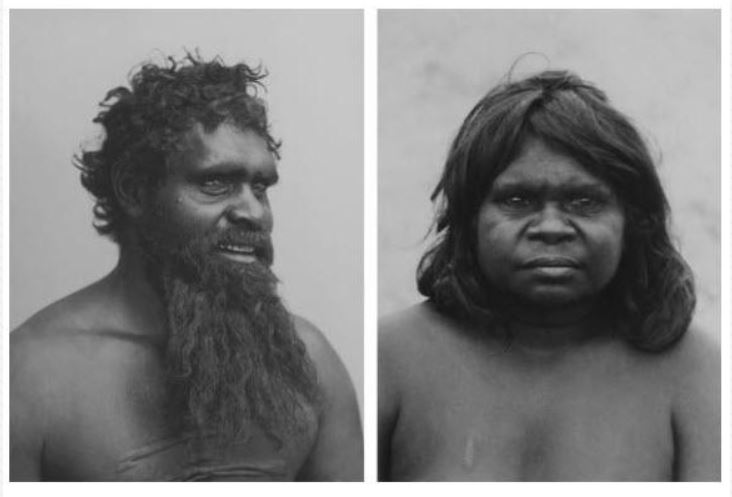
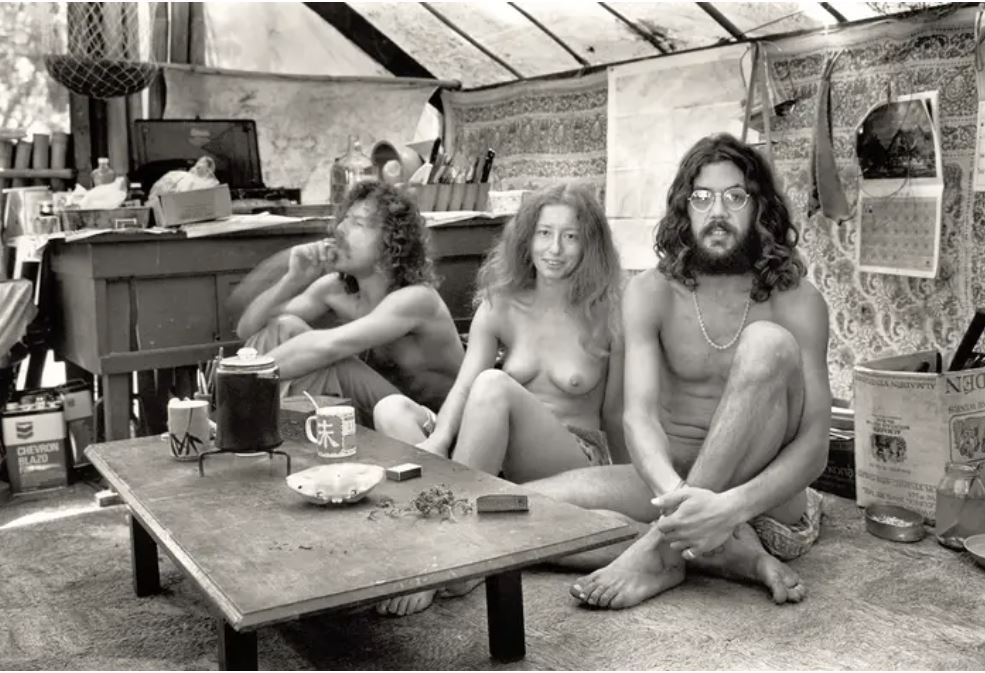
This image featured in the 1916 edition of National Geographic was used to highlight the racist view that they had portrayed. This image is in line with contemporary images of the period for example similar work produced by J.W. Lindt in 1874 as referenced by Geoffrey Batchen in Each Wild Idea. The image below depicting the treehouse hippie community does not depict savages, so why should the Aboriginal images produce such a result? Because the western cultures were guided by publications such as National Geographic but we have moved forward and our western view has been shaped.
Although I feel that his article highlights a position that can be seen within the magazine I have found that efforts have been made with future editors to move away from this practice, however, why change a magazine that has profited and survived for so long. Possibly that is what the masses want? The feeling of comfort from what they know or believe. I feel that it is us as practitioners to be aware of any magazine, book publisher or online site when it comes to our images. We need to decide based on what it represents through our own research and not take things at face value. Each practitioner will also have a differing range of ethics and principles which need to be consulted.
As an example to Grundberg, the image I have used is a typical cover from the National Geographic magazine, a beautiful tropical location. I have not read any story but have decided what they are going to say. Is the magazine hiding what the truth is in Thailand? making it into a fantasy destination of perfection? Well, in this case, it is not. The image not surprisingly is a fake National Geographic cover but one that is indistinguishable from the real highlighting how the magazine uses glorious images to create a new truth about a county.
They have the power and the control and it is what has created a successful media company. The National Geographic Society does do a lot of good work which should not be brought into question from the ethics and practices of the magazine or television channel.
Figures
Fig 1. https://www.fotojet.com/template/magazine/magazine-03/ (accessed 10 March 2021)
Fig 2. https://www.sbs.com.au/nitv/nitv-news/article/2018/03/13/national-geographic-admits-hideously-racist-past
Fig 3. John Wehrheim https://www.buzzfeednews.com/article/mbvd/hawaii-kauai-hippies-treehouses-taylor-camp
References
Andy Grundberg https://www.nytimes.com/1988/09/18/arts/photography-view-a-quintessentially-american-view-of-the-world.html
BATCHEN, Geoffrey. 2001. Each Wild Idea. Cambridge: MIT Press.
The post Week Seven: What is the National Geographic appeared first on MA Photographic Journey.
]]>The post Portfolio Review: Josh Lustig appeared first on MA Photographic Journey.
]]>The post Portfolio Review: Josh Lustig appeared first on MA Photographic Journey.
]]>The post Week Three: Reflection appeared first on MA Photographic Journey.
]]>I have found that categorising the method of image-making, has allowed for what a first glance are polar extremes to begin to merge and create a grey area that encompasses all image production.
Jeff Wall, noted for the large works he creates, has two categories for photographers, The ‘Hunter’ or ‘Farmer’.
To familiarise this idea one has to consider how pictures are created within a practice. One option is to go out, as a street photographer might. Wandering around till the right light or shadow happens and ‘click’, the Hunter. Alternatively, the photographer may create their scene or stage it, only when it is as perceived ‘click’, Image in the bag, The farmer. It is clear how Wall fits into the farming division as his images are created on a mammoth scale with him being a director to actors and other assistants.
Wall is not alone in the large set farming style of photography with other practitioners such as Sam Taylor-Wood and Tom Hunter as examples.
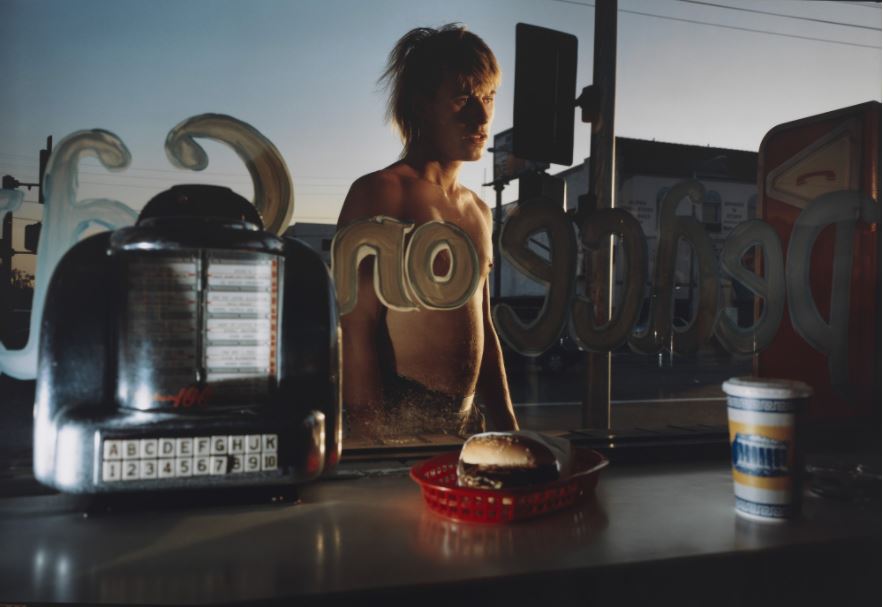
With the Philip-Lorca diCorcia taking the farming down to a much smaller scale with the single protagonist in a much simpler staged photograph.
References
COTTON, Charlotte. 2009. The Photograph as Contemporary Art. (New ed. edn). London: Thames & Hudson.
Figures
Philip-Lorca diCorcia Eddie Anderson; 21 Years Old; Houston, Texas; $20 1990-92 https://www.moma.org/collection/works/50276
The post Week Three: Reflection appeared first on MA Photographic Journey.
]]>The post Week Four Tutor: Forum Reflection appeared first on MA Photographic Journey.
]]>This result did follow that the opposition, negotiated or dominance which was the week’s theme would lie with the different viewers and that I had achieved a result that each viewer had time to explore the image for their own satisfaction.
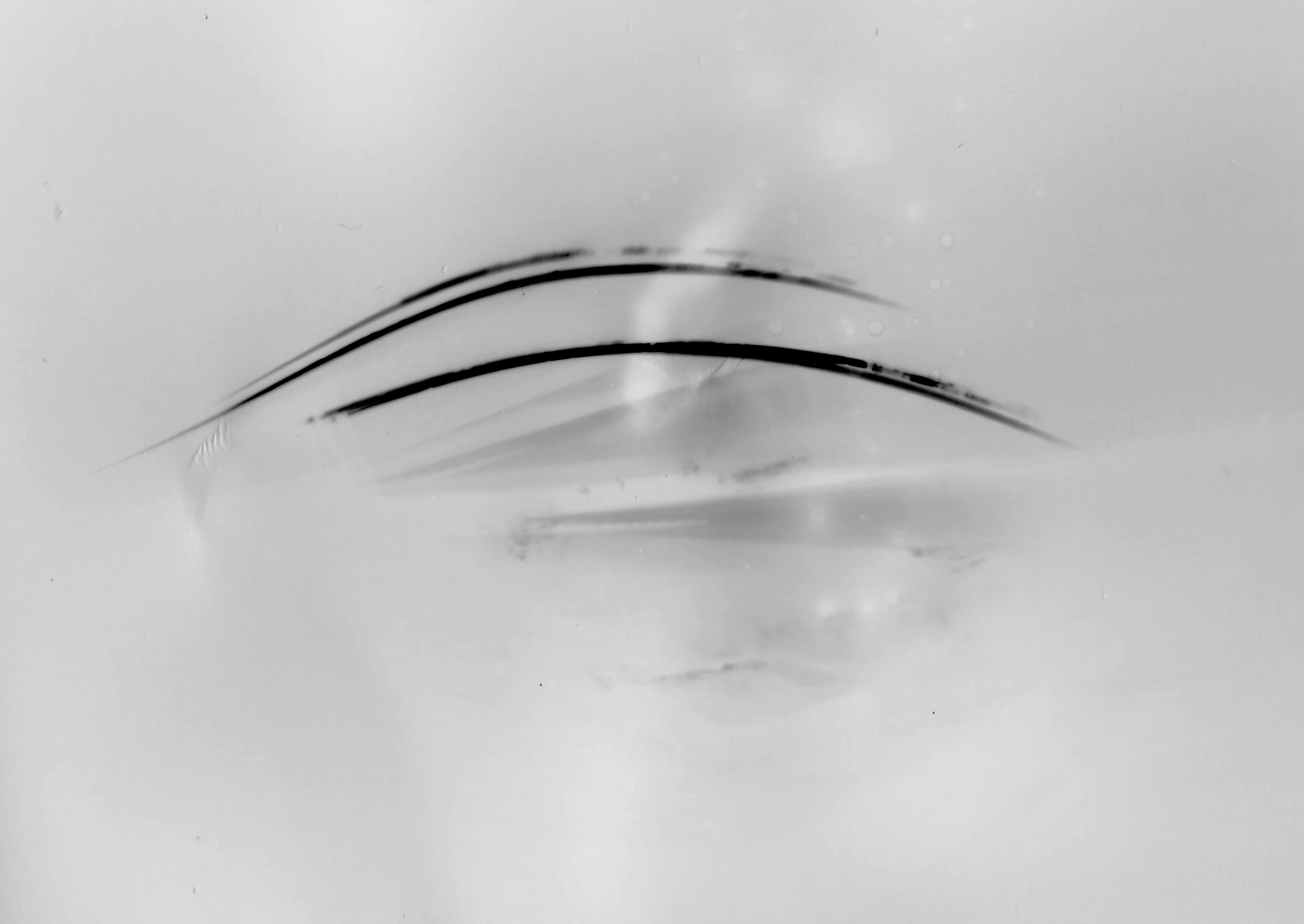
The image has three brightly visible red dots which one person picked up on although there are others within the image. I had put a lot of thought into those as the are not errors or lens problems but they are in-fact part of the original landscape image. I decided that they were to stay for authenticity, it would have been easy enough to clone them out.
The further presentation comprised of the ‘beer can’ pinhole work that I have posted about and the 3D work that I have been investigating. I presented the 3D colour depth image models which lead to a peer suggestion to try it as 3D I will post further on this later.
Figures
Fig.1 Roydon Woodford
Fig 2 Roydon Woodford
The post Week Four Tutor: Forum Reflection appeared first on MA Photographic Journey.
]]>The post Week Five Seminar: Fascinating Looks appeared first on MA Photographic Journey.
]]>This image from about 100m has people in it but there is no identity to them.
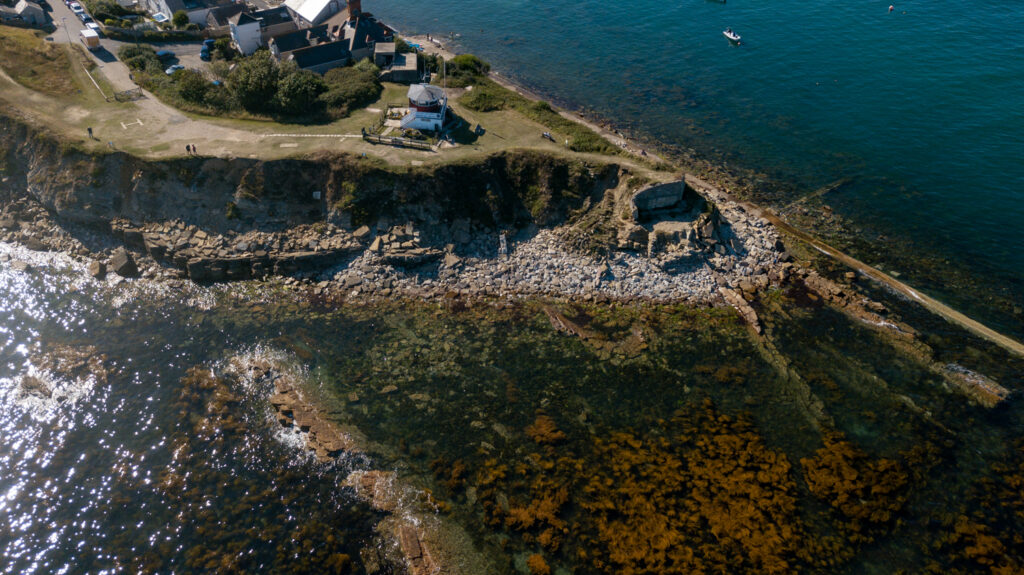
I have Permission for Commercial Operation and fly within the regulations which are very clear.
This highlights the perception people have that your flying your drone to spy on them in the same way that when you are seen with a large telephoto lens in the street that you must be doing something wrong.
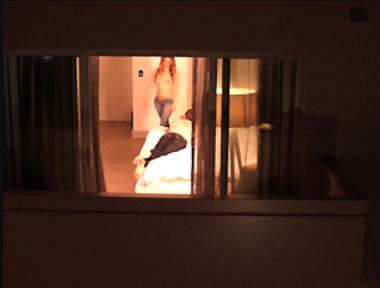
That being said people do use both of these tools in a very voyeuristic way. Such as Merry Alpern’s work ‘Dirty Windows’ with a telephoto lens or the drone operator that took this photo.
Figures
1 Roydon Woodford
2 https://cdnwg.youx.xxx/galleries/content/1/794/1794480_8ec6535.jpg
The post Week Five Seminar: Fascinating Looks appeared first on MA Photographic Journey.
]]>